I was mentored by a professor with some very strong opinions about what qualifies as poetry, a classics curmudgeon, his daily tea steeped in Latin. He didn’t consider slam poetry as true poetry. He didn’t consider the lyrics of songs as poetry. I even had difficulty in talking to him about the various poetic traditions around the world, haiku itself being snubbed. While being mentored by that professor did deepen my education greatly in the forms he revered, I certainly differ from this strong opinion, preferring to see poetry everywhere. Not great poetry, not even good poetry necessarily, I just accept that composing poetry is a human act.
While I at first agreed with my professor about lyrics and poetry being fundamentally different (even explaining to others how a number of comedic bits specifically call this into question by reading lyrics divorced from their beat, like Lady Gaga’s “Poker Face,” to humorous effect), as I’ve studied the worldwide roots of poetry more, I’ve concluded that far from being strangers, they are twins. Lyrics are merely a kind of poem (again, no value judgment) which have melody as part of their context. Lyric does not have to be strong on its own, in fact, at times it benefits from being more plain or understated in its context.
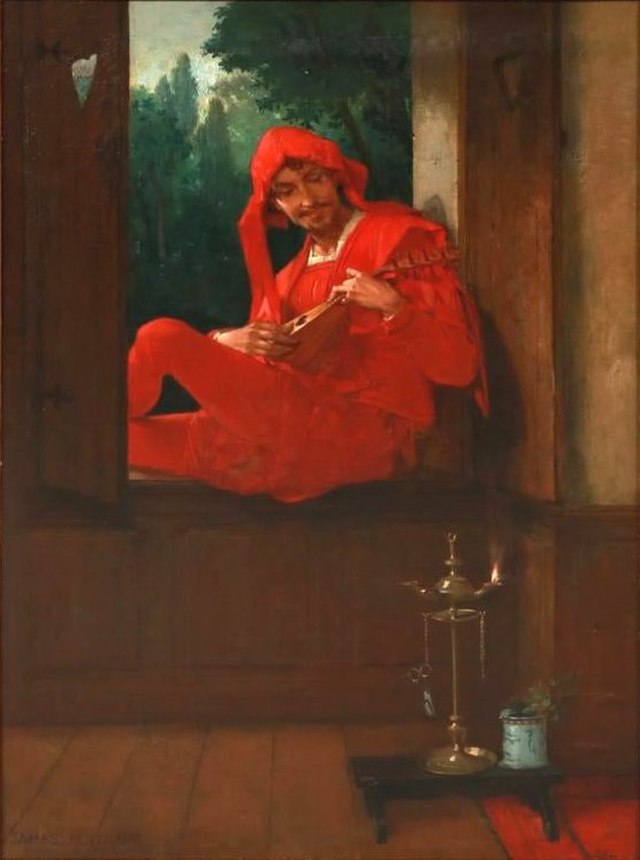
“The Art of Haiku” has provided more evidence to me of the inseparable connection between poem and song. In explaining the courtly tanka (also known as waka) tradition, three words are shared that evidence this relationship: tanka (meaning short song), waka (meaning Japanese song) and uta (meaning song). In the western tradition, sonnet means little song. Ballad can be a poem or a song. The fact that many hymn and choral pieces are written in meter bind these two arts together even more strongly.
There is much I envy about the reception of song over the reception of poetry in today’s culture, and few things I wince at. Song is naturally seen as a human act. But poetry? With all the academic shaming out there, it is far more niche. I also think it is far more vulnerable to say you like a poem, that you found it profound or moving, than it is to admit you liked some jingle. Is modern poetry just too serious to be engaged with at the same level?
There is so much more from this chapter I wanted to talk about, but in a blogger-like spirit, I’ll just leave it at these few paragraphs. Enjoy what you enjoy and keep seeing poetry everywhere!
–M. Anthony

 Over/Poetry