I am reading several books at once, I’ll admit: The Wild Iris by Louise Gluck, The Norton Shakespeare (Richard the III currently), The Art of Haiku by Stephen Addiss (as I’ve blogged about before), as well as The World of the Troubadours by Linda M. Paterson (and a mafia romance book, but I won’t get into that).
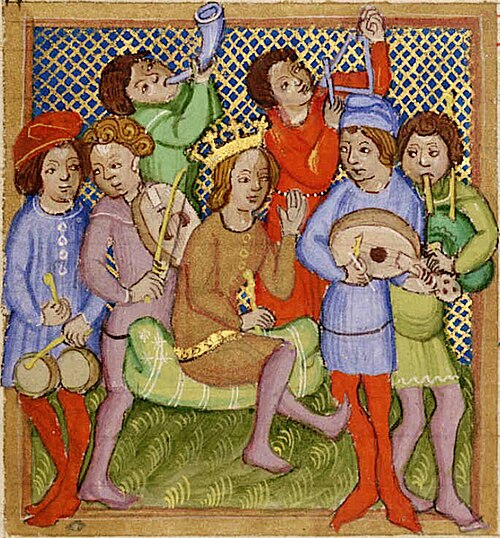
I wanted to know more about these groups of poets that performed their verse to an admiring audience. Sources recommended this book for its comprehensive dive, and so far, it is just that. I am learning much more about the world itself than about the troubadours, which is fine; I’m interested in that too, after all.
The current chapter I’m in goes over in escrutiating detail the systems of fiefdoms, vassalages, and alloidal lands that figure into the relationships of monarchs and their uppercrust of noble landlords: systems of men who command armies who will pledge those armies to a cause in exchange for land, but who often subjugate themselves below those they pledge to protect.
In Occitania (the south of France) where the troubadours romped, they were not keen, it seems, on having such heirarchies between nobilities (having a serf class was a-ok though, of course, can’t get those noble pinkies dirty). In Occitania, they prefered mutual respect, gifts, and promises to not undermine each other to being on call to the head noble. Their system certainly seems preferable to classic feudalism.
I like modern day advances in technology and society, though sometimes I feel like modern day society leaves people behind, those who contribute to societal welfare. Labor is more and more divorced from the fruits it provides.
Nobles are cringe, and I’m happy that we don’t take titles in the US, but I would like all rulers of power to be made peasants like the rest of us. No kings. No kings. Just happy peasants exchanging all we have with each other. There will still be drama, sure, that is the spice of life spent with the currency of love and loyalty.
These ideas of noble life built with social bonds were the stage that troubadours played on. This kind of life had challenges of its own that became the soil upon which troubadour life and verse sprouted.
That is all, I hope that you enjoyed my thoughtless thoughts.
–M. Anthony

 Over/Poetry