
Though I, on the whole, have a penchant for the traditional forms and meters of English poetry, I am not content to study it alone. Like any fruit-bearing crop, the fields of English poetry require rich fertilization in the form of inspiration. In the past 100 years, this was accomplished primarily by the abandonment of… Continue reading Ghazals, Renga, and Memes: Oh, My! Part 1
Tag: poetry
The World of the Troubadours
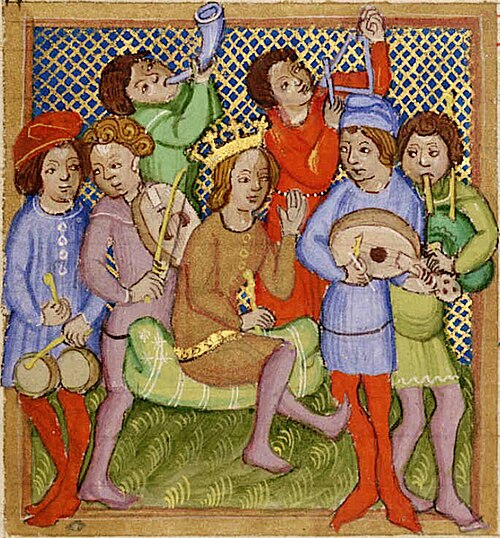
I am reading several books at once, I’ll admit: The Wild Iris by Louise Gluck, The Norton Shakespeare (Richard the III currently), The Art of Haiku by Stephen Addiss (as I’ve blogged about before), as well as The World of the Troubadours by Linda M. Paterson (and a mafia romance book, but I won’t get… Continue reading The World of the Troubadours
Musings on “The Art of Haiku” ch. 1
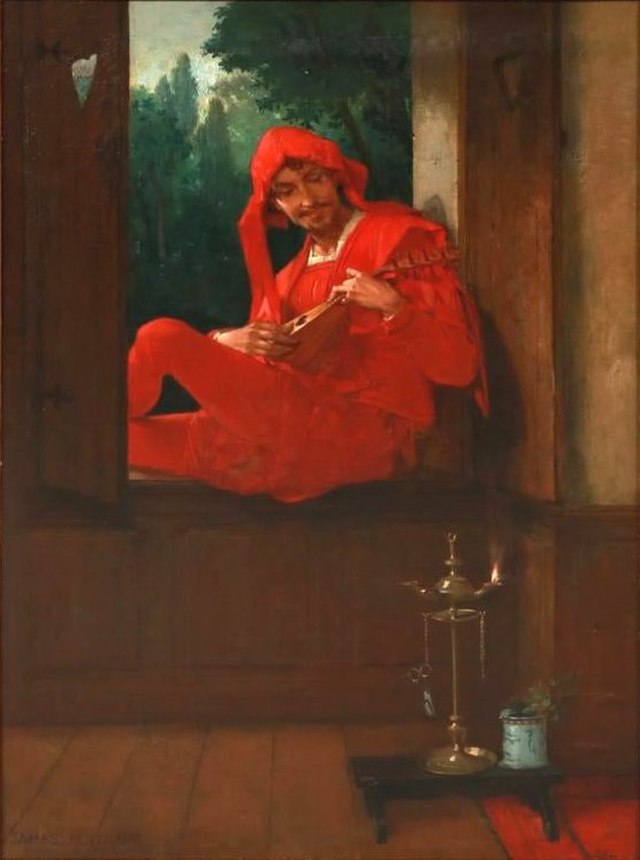
I was mentored by a professor with some very strong opinions about what qualifies as poetry, a classics curmudgeon, his daily tea steeped in Latin. He didn’t consider slam poetry as true poetry. He didn’t consider the lyrics of songs as poetry. I even had difficulty in talking to him about the various poetic traditions… Continue reading Musings on “The Art of Haiku” ch. 1
Reading that book I bought twelve years ago by Stephen Addiss
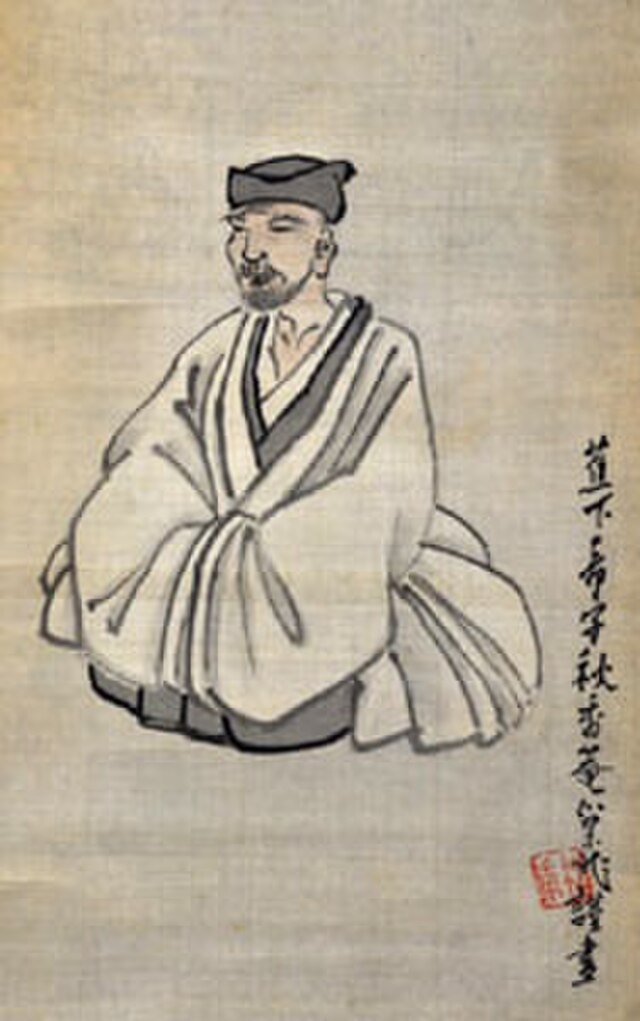
Twelve years ago, after taking a special 1-on-1 poetry mentor class with C. Wade Bentley where I practiced writing free verse poetry, I decided to make a self-study of haiku. As part of that, I finally decided to buy a book I had been eyeing for a year at the local Barnes & Noble “The… Continue reading Reading that book I bought twelve years ago by Stephen Addiss
I’m Changing my Writing Process of Seven Years
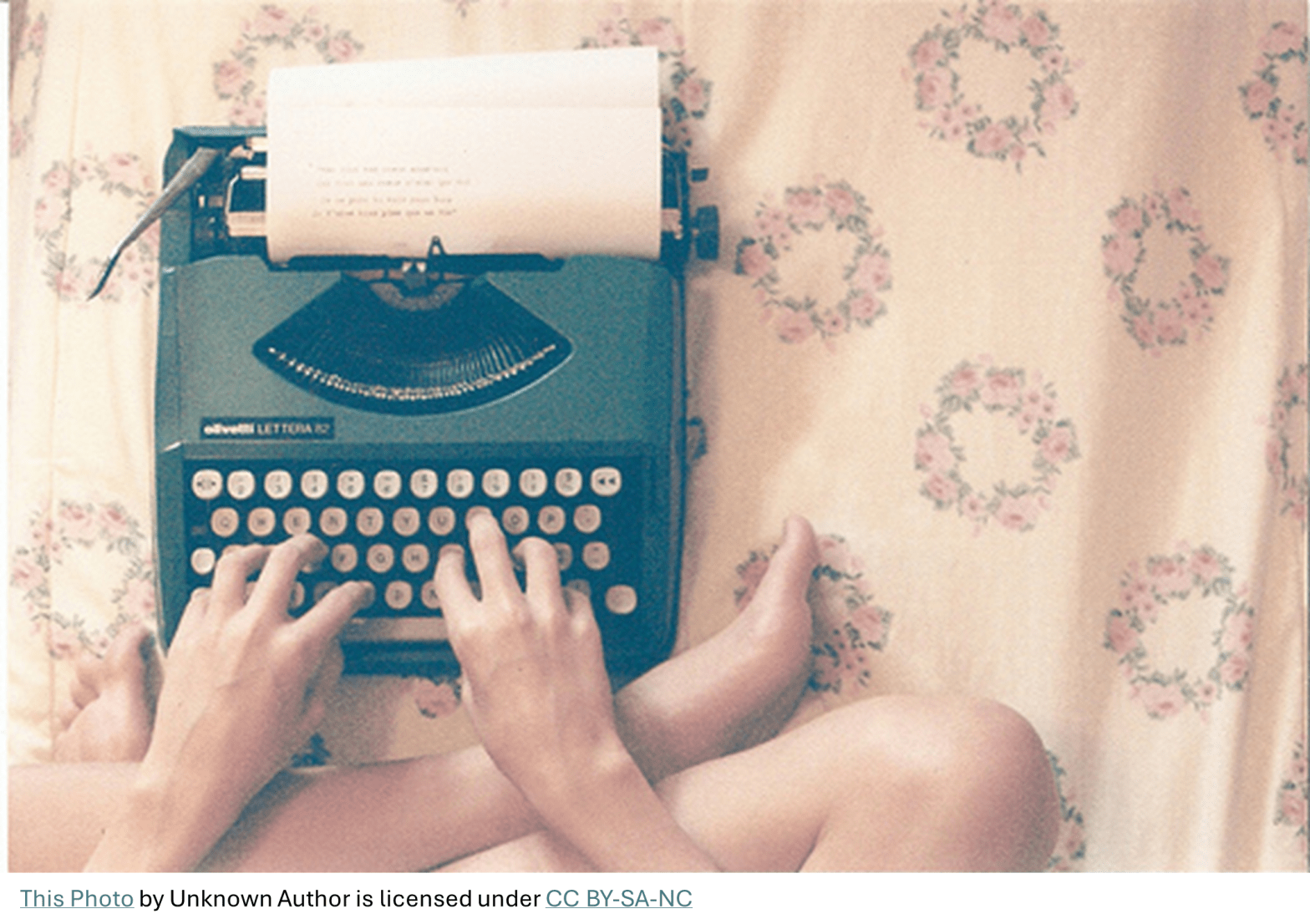
I’m changing my writing process. I’ve used the same writing process for seven years now, and it has served me well. I have strong reasons for changing it though, to adopting a better process for me. Now, instead of waiting a calendar year to revise and submit a drafted poem to my peers, and then… Continue reading I’m Changing my Writing Process of Seven Years
Latin Lament: a reflection on the failures of mechanical learning
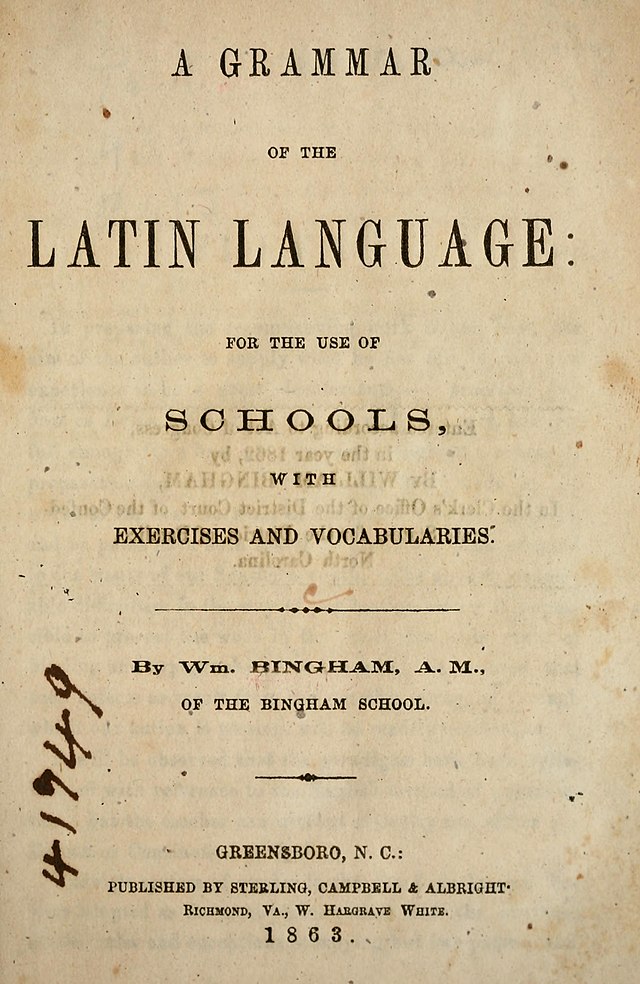
Hello all, a little update on my post from 6 months ago about learning Latin. I shared enthusiastically that I was embarking once again on an attempt to learn Latin. I had applied a tip that was ostensibly from a neurological expert to implant desires into the subconscious, and I acted on these suggestions with… Continue reading Latin Lament: a reflection on the failures of mechanical learning
Emma Trelles’ Tropicalia is very fun (and no, I don’t mean that in a pejorative sense)
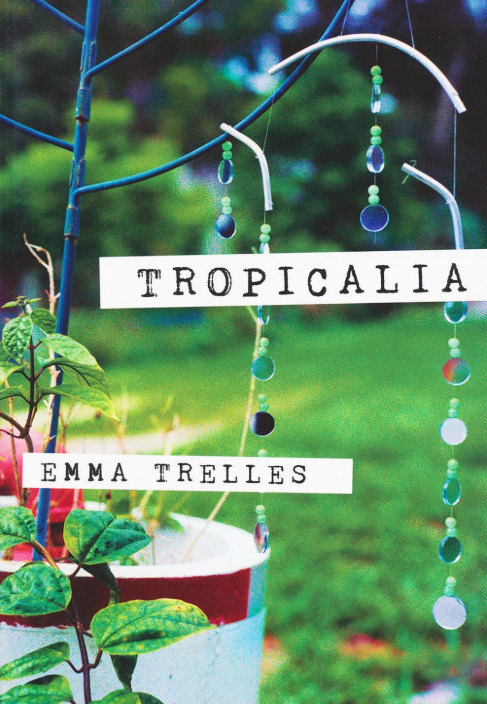
I am going to make a false comparison because I can. I recently read Tropicalia, Emma Trelles’ 2010 poetry collection. I also recently read some of Louise Glück’s poetry, not from any one period, but a generalized smattering. Are these two poets vastly different with very different goals and audiences? Yes. Am I going to… Continue reading Emma Trelles’ Tropicalia is very fun (and no, I don’t mean that in a pejorative sense)
Alexandra Teague’s 2024 collection [ominous music intensifying] feels retro. I don’t think it intends to.
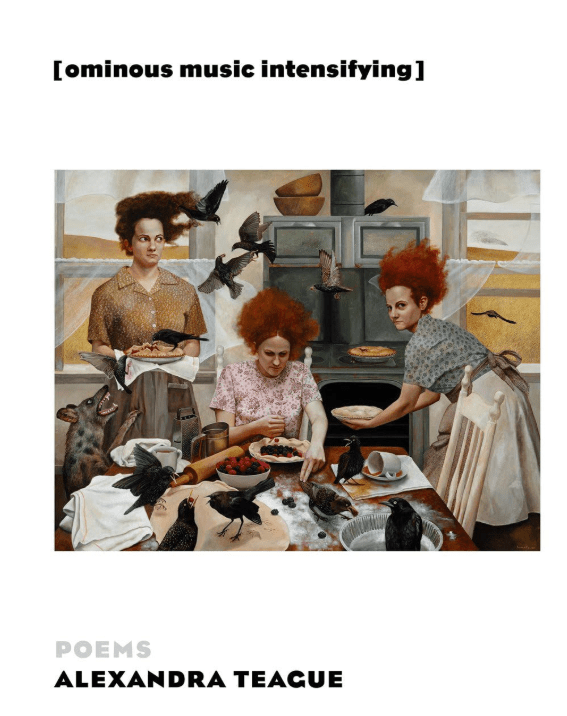
To be fair, the cover art is called The Visitors by Andrea Kowch which Steve Parks of Newsday described as “Using Middle America . . . [to draw] the history of a particular place— invariably rural—to the surface as it collides with a new reality in layers of metaphor and moodiness. The faces of her… Continue reading Alexandra Teague’s 2024 collection [ominous music intensifying] feels retro. I don’t think it intends to.
Review: Amy Newman’s On This Day in Poetry History Mythologizes Poetry, One Weird Robert Lowell Anecdote At a Time

Some poetry collections are written with me in mind, I’m convinced. I couldn’t imagine a poetry collection more well-suited than Amy Newman’s On This Day in Poetry History to my personal tastes. (Well, maybe one that talked extensively about Lord Byron’s Venetian exploits or Mitt Romney’s imaginary, pizza-fueled demise . . . but that’s why… Continue reading Review: Amy Newman’s On This Day in Poetry History Mythologizes Poetry, One Weird Robert Lowell Anecdote At a Time
Review: Molly McCully Brown’s The Virginia State Colony for Epileptics and Feebleminded is a woman’s book—would men like it as much?
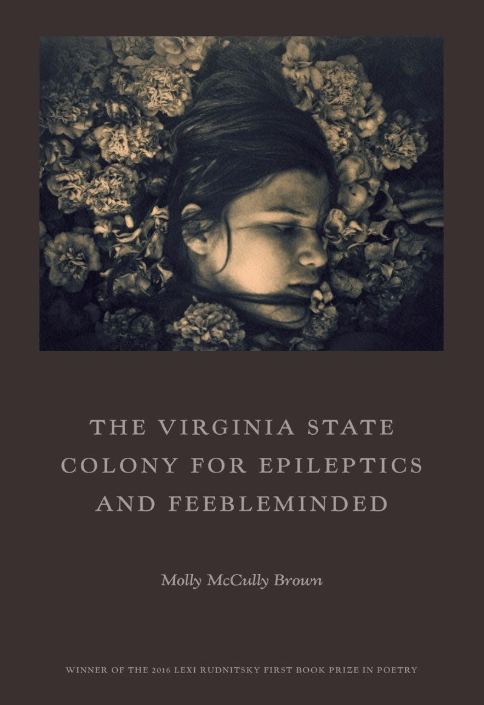
Review: Molly McCully Brown’s The Virginia State Colony for Epileptics and Feebleminded is a woman’s book—would men like it as much? Poetry teachers across the land say and have said, for generations, that a good poet can make a good poem out of anything—content does not necessarily make or break a poem. But some subject… Continue reading Review: Molly McCully Brown’s The Virginia State Colony for Epileptics and Feebleminded is a woman’s book—would men like it as much?
 Over/Poetry